

Peptides
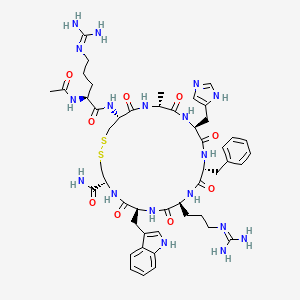
Setmelanotide
A targeted MC4-receptor medicine for specific obesity disorders, including acquired hypothalamic obesity; its evidence does not extend to common obesity by default.
Randomized phase III acquired-hypothalamic-obesity evidence; diagnosis-specific
Also known as: Imcivree
Practical use
Clinical context and evidence interpretation
- Build a timeline
- For specialist review, bring the onset of rapid weight gain and hunger, any relevant brain injury or treatment, and existing endocrine diagnoses.
- Use the correct measurement
- Identify whether the paper reports weight, BMI, BMI z-score or hunger; these measures answer different questions.
- Read benefit and burden together
- Keep the serious-event denominator beside the efficacy estimate and ask which events are relevant to the individual’s underlying condition.
Overview
Setmelanotide activates MC4 receptors involved in hunger and energy balance. Current US Imcivree labeling includes acquired hypothalamic obesity from age four and specified syndromic or monogenic obesity from age two, including Bardet–Biedl syndrome and qualifying POMC, PCSK1 or LEPR deficiency. Common polygenic obesity is outside the indication.
Risks and limitations
Pigmentation changes, nausea and vomiting are common. Warnings include depression or suicidal thinking, serious allergy and prolonged erections; an erection lasting over four hours needs emergency care. Acquired hypothalamic obesity adds specific adrenal-insufficiency and sodium-imbalance concerns, especially with related pituitary deficiencies.
How to read this
A diagnostic category is doing real work here. Severe hunger or a high BMI alone does not establish the hypothalamic injury or genetic disorder that defines these study populations.
Research explained
TRANSCEND: acquired hypothalamic obesity
Who was studied
120 participants aged 4–66 with acquired hypothalamic obesity after a hypothalamic tumor, lesion or injury; 81 randomized to setmelanotide and 39 placebo for 52 weeks after escalation.
- Setmelanotide: BMI change
- -16.5 percent
- Placebo: BMI change
- 3.3 percent
What was found
Adjusted mean BMI changed by −16.5% versus +3.3%. Hunger scores in participants aged at least 12 fell by 2.73 versus 1.45 points. Serious adverse events were reported in 28% versus 8%; these are all reported serious events, not all proven drug-caused events.
What it cannot establish
The study was small and diagnosis-specific. BMI change is not identical to body-weight percentage change in a mixed child/adult population. The substantial benefit and adverse-event findings should both remain visible.
Read the original studyA larger effect does not erase patient selection
TRANSCEND required acquired hypothalamic obesity, including a history of injury to this brain region. The result is not a general comparison against GLP-1 medicines in ordinary obesity.
Supporting sourceWhy endocrine history matters
People with acquired hypothalamic obesity may also have adrenal or water-balance disorders. The current label adds monitoring considerations specific to those conditions.
Supporting sourceClaims versus findings
Not supported
Any stubborn obesity implies an MC4-pathway disorder treated by this drug.
The label names specific diagnoses and explicitly excludes general polygenic obesity.
Check the evidenceCommon questions
Does a variant on a consumer genetic report establish eligibility?
No. The exact gene, variant interpretation and clinical presentation require specialist assessment against the product’s selection criteria.
SourceSources
TRANSCEND: acquired hypothalamic obesity
US prescribing information; checked October 1, 2026
Sources checked 2026-10-01.
General education; not a personal treatment plan.