

SARMs
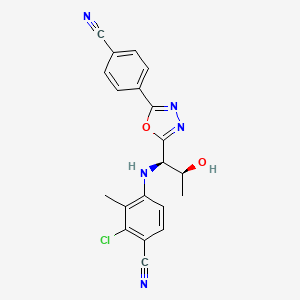
RAD-140
An investigational androgen-receptor drug with a small oncology trial, measured pharmacokinetics and liver-injury reports.
Compound-specific research / important limitations
Also known as: testolone · vosilasarm · RAD140
Practical use
Applying the explained evidence
- Where it fits
- An investigational androgen-receptor drug with a small oncology trial, measured pharmacokinetics and liver-injury reports.
- Put the information into practice
- Keep three questions separate: does it engage a receptor, does it improve a clinical outcome, and what harm occurs? Evidence for the first does not settle the other two.
- Check the exact molecule
- Keep the named molecule separate from a broad category claim. Check whether a finding comes from a human intervention, laboratory mechanism or analytical test before interpreting it as a performance benefit.
- Keep this limit in view
- No placebo comparator and a small, selected oncology population. Laboratory enzyme elevations, clinical liver injury and causally attributed events are distinct categories. The half-life is not a self-prescribing schedule.
Overview
RAD-140 has been studied as an androgen-receptor-targeted treatment in advanced breast cancer. That is direct human exposure evidence, but it answers an oncology question rather than whether healthy lifters gain muscle safely.
Risks and limitations
Liver abnormalities appear in the clinical trial and in reports involving marketed supplements. A serious event after a multi-ingredient product cannot automatically be assigned to one ingredient. Rates from heavily pretreated cancer patients also cannot be treated as the expected rate in a different population.
How to read this
Keep three questions separate: does it engage a receptor, does it improve a clinical outcome, and what harm occurs? Evidence for the first does not settle the other two.
Research explained
First-in-human RAD-140 trial
Who was studied
22 postmenopausal women with heavily pretreated ER-positive/HER2-negative metastatic breast cancer; an early dose-escalation study.
What was found
AST elevations occurred in 59.1%, ALT elevations in 45.5%, and bilirubin elevations in 27.3%. Treatment-related events were reported in 17/22 patients; seven were grade 3. The reported half-life was 44.7 hours. Clinical benefit at 24 weeks was 18.2%, with median progression-free survival of 2.3 months.
What it cannot establish
No placebo comparator and a small, selected oncology population. Laboratory enzyme elevations, clinical liver injury and causally attributed events are distinct categories. The half-life is not a self-prescribing schedule.
Read the original studySevere liver injury after a combination supplement
Who was studied
A case report involving a previously healthy young man after a product containing RAD-140 and andarine.
What was found
The reported course included severe cholestatic injury, rising bilirubin, pancreatitis and acute kidney injury requiring intensive care.
What it cannot establish
A case report identifies a possible hazard, not its frequency. Combined exposure and uncertain supplement composition limit ingredient-specific causal claims.
Read the original studyReceptor engagement is not a physique outcome
In the oncology study, changes in SHBG and PSA and paired tumor biopsies supported androgen-receptor engagement. Those measurements were selected to study tumor biology; they are not validated substitutes for strength gains or long-term health in a bodybuilding population.
Supporting sourceWhy yellowing skin and prolonged itching matter
The reported injury pattern was cholestatic, involving impaired bile flow. Jaundice, dark urine or persistent itching after an unregulated supplement warrants prompt medical assessment. The case’s treatment should not be copied as a do-it-yourself recovery protocol.
Supporting sourceSources
Severe liver injury after a combination supplement
Sources checked 2026-09-28.
General education; not a personal treatment plan.