

Metabolic medicines
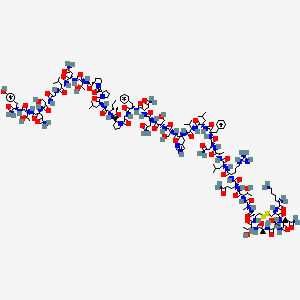
Pramlintide
An amylin analogue used alongside mealtime insulin in diabetes, with modest glycemic and weight effects and a severe-hypoglycemia warning.
Randomized adjunct-to-insulin evidence; no general weight-loss indication
Also known as: Symlin · SymlinPen · Amylin analogue
Practical use
Clinical context and evidence interpretation
- Bring timing and symptoms
- For clinical review, record glucose patterns around meals, low-glucose episodes and nausea alongside the medication list.
- Define the desired improvement
- Ask whether the treatment goal is HbA1c, post-meal glucose, weight or reduced variability, and how benefit will be judged.
- Understand the existing emergency plan
- Make sure the clinician’s hypoglycemia plan is clear to the patient and those who may need to help; do not infer insulin changes from a research summary.
Overview
Pramlintide replaces some actions of amylin, a hormone normally released with insulin. It slows stomach emptying, reduces meal-related glucagon secretion and promotes satiety. US Symlin labeling covers selected people with type 1 or type 2 diabetes who use mealtime insulin and have not achieved desired glucose control.
Risks and limitations
The boxed warning concerns severe hypoglycemia with insulin, particularly in type 1 diabetes. Hypoglycemia unawareness and confirmed gastroparesis are contraindications. Nausea is common; delayed stomach emptying can alter oral-drug absorption. Severe confusion, seizures or unconsciousness require emergency help.
How to read this
The relevant balance is incremental glucose benefit against treatment complexity and hypoglycemia. Evidence from closely supervised diabetes trials is not a protocol for using insulin or pramlintide for physique goals.
Research explained
One-year placebo-controlled type 1 diabetes trial
Who was studied
651 people with type 1 diabetes, mean baseline HbA1c 8.9%, randomized to placebo or several pramlintide regimens added to existing insulin for 52 weeks.
What was found
Two studied pramlintide groups had HbA1c reductions of 0.29 and 0.34 percentage points, compared with 0.04 with placebo. Those groups lost about 0.4 kg on average; the placebo group gained 0.8 kg. Nausea was the most common adverse event.
What it cannot establish
The modest average weight difference is not a fat-mass measurement. The trial does not establish standalone treatment, large obesity-treatment effects or safety when insulin management differs from clinical care.
Read the original studyThe scale effect needs its denominator
A roughly 1.2 kg difference between average changes came from 0.4 kg loss versus 0.8 kg gain. Describing the whole difference as weight lost by treated participants would be misleading.
Supporting sourceThe insulin relationship is central
Adding an amylin effect changes the timing and size of meal-related glucose changes. Insulin planning and glucose monitoring are part of prescribed care, not optional details that can be inferred from an appetite effect.
Supporting sourceClaims versus findings
Not established
An amylin mechanism makes pramlintide equivalent to newer obesity therapies.
The trial tested pramlintide alongside insulin in diabetes. Other amylin medicines and combinations need their own outcome evidence.
Check the evidenceCommon questions
Was the reported 0.34 change a 34% fall in HbA1c?
No. It was a reduction of 0.34 percentage points, which is a different unit from relative percentage change.
SourceSources
One-year placebo-controlled type 1 diabetes trial
US prescribing information; checked October 1, 2026
Sources checked 2026-10-01.
General education; not a personal treatment plan.