

Hormone medicines
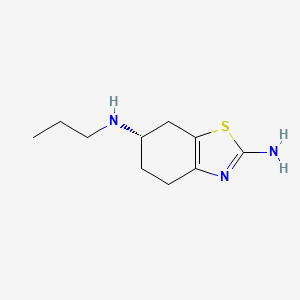
Pramipexole
A dopamine agonist for Parkinson disease and selected restless-legs care; behavioral and sleep risks are central to interpretation.
Four-year randomized Parkinson strategy comparison; distinct efficacy and harm patterns; checked 2026-10-01
Also known as: Mirapex
Practical use
Clinical purpose, evidence and review questions
- Track function and burden together
- Record mobility, symptom fluctuation, sleepiness and swelling alongside the intended benefit.
- Include an observer when possible
- Discuss changes in gambling, shopping, sexual behavior or hallucinations explicitly.
- Report shifting restless-legs timing
- Earlier daily onset or spreading symptoms can matter to the treatment review; do not interpret them solely as needing more medicine.
Overview
Pramipexole stimulates dopamine receptors. US immediate-release tablet labeling covers Parkinson disease and moderate-to-severe primary restless legs syndrome. A dopamine mechanism does not establish a general libido, motivation or hormone-management benefit.
Risks and limitations
Sudden sleep episodes, low standing blood pressure, hallucinations, compulsive gambling or spending and intense sexual urges can occur. Kidney function affects exposure. Restless-legs symptoms can shift earlier or worsen through augmentation. New behavioral changes or unintended sleep episodes deserve prompt clinical review.
How to read this
One treatment can reduce some motor complications while producing more sleepiness or edema. The relevant decision is the balance of outcomes for the diagnosed condition, not which medicine wins one percentage.
Research explained
CALM-PD: initial treatment strategy
Who was studied
301 people with early Parkinson disease randomized to initial pramipexole or levodopa, with additional therapy allowed for emerging disability; follow-up extended to four years.
What was found
Dyskinesia occurred in 24.5% versus 54%, but sleepiness in 36% versus 21% and edema in 42% versus 15%. Levodopa gave better symptomatic control and less freezing. Quality-of-life change did not significantly differ.
What it cannot establish
These were initial-treatment strategies with later additional medicines, not permanently isolated monotherapies. Fewer dyskinesias does not establish neuroprotection or a universal best first choice.
Read the original studyBenefits and harms can point in different directions
Motor complications, symptom relief and quality of life did not provide one uniform winner. A fair summary retains the tradeoffs.
Supporting sourceAsk about behavior directly
Compulsive urges may feel rewarding rather than harmful at first. Reports from a partner or family member can help the clinical team identify a medication effect.
Supporting sourceClaims versus findings
Not established
Fewer dyskinesias prove Parkinson disease progressed more slowly.
The study’s treatment-complication outcome does not demonstrate disease modification.
Check the evidenceCommon questions
Does more sexual drive necessarily mean treatment is working well?
No. Increased or uncontrollable sexual urges can be an impulse-control adverse effect.
SourceSources
CALM-PD: initial treatment strategy
US prescribing information; checked October 1, 2026
Sources checked 2026-10-01.
General education; not a personal treatment plan.