

Nootropics
Picamilon
A synthetic niacin–GABA compound that FDA does not recognize as a dietary ingredient; clinical claims remain weakly supported.
Limited clinical comparison; US regulatory boundary
Also known as: pikamilon
Practical use
Reviewed practical notes
- Read the comparator
- Two active approaches do not answer whether either works better than no active treatment.
- Check the jurisdiction
- The FDA statement concerns the United States.
- Avoid safety by chemistry
- Familiar component names do not establish that a new compound is safe.
Overview
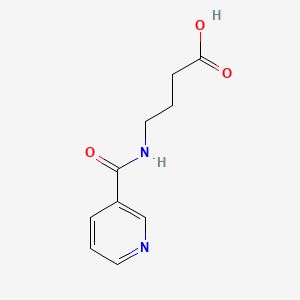
Picamilon chemically links niacin and GABA. Combining familiar substances into a new synthetic entity does not make it a vitamin supplement. FDA states that picamilon is not an approved US drug and does not meet the definition of a dietary ingredient.
Risks and limitations
The reviewed studies do not establish a reliable long-term safety profile or benefit for healthy cognition. Weak binding in a laboratory target screen is not proof of inactivity or safety; relevant metabolites, exposure and clinical effects can remain untested.
How to read this
Regional medicinal use and US supplement law are different questions. This guide preserves the US regulatory statement without turning it into a claim about every country’s approval or possession rules.
Research explained
Broad pharmacology screen
Who was studied
Computational work and laboratory testing against a panel of biological targets.
What was found
Picamilon showed weak or absent activity at many of the tested targets under the study conditions.
What it cannot establish
A target panel is incomplete by design. It cannot establish clinical effectiveness, rule out every mechanism or certify safety in people.
Read the original studyOpen comparison in chronic cerebral ischemia
Who was studied
44 patients with stage I chronic cerebral ischemia randomized between two picamilon treatment approaches, observed for 60 days.
What was found
The report describes improvements on cognitive assessments and other measures during treatment.
What it cannot establish
Both groups received picamilon; there was no placebo or untreated control. Before–after change cannot establish a drug effect, and the study does not test healthy-user cognition.
Read the original studyThe ingredient definition is not a marketing choice
FDA’s picamilon page explains why the synthetic compound is not accepted as a dietary ingredient. A label that describes the component molecules does not change that finding or establish clinical benefit.
Supporting sourceSources
FDA picamilon ingredient statement
Sources checked 2026-10-01.
General education; not a personal treatment plan.