

Androgens
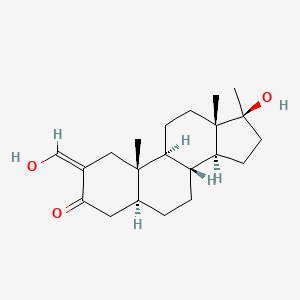
Oxymetholone
An oral androgen studied for lean-mass and strength effects, with simultaneous liver-enzyme and lipid changes.
Human research / important limitations
Also known as: Anadrol
Practical use
Applying the explained evidence
- Where it fits
- An oral androgen studied for lean-mass and strength effects, with simultaneous liver-enzyme and lipid changes.
- Put the information into practice
- Lean mass is not identical to contractile muscle. The findings are from older community-dwelling men, not a forecast for trained younger adults or evidence for a safe bodybuilding regimen.
- Formulation and purpose
- Write down the exact compound and formulation behind a claim. Compare the studied population and purpose with the situation being discussed; evidence for medical replacement does not automatically answer a physique-enhancement question.
- Keep this limit in view
- Small and short trial. It cannot quantify long-term clinical harm or demonstrate that the body-composition changes persist after treatment.
Overview
Oxymetholone was tested in older men in a placebo-controlled trial. It increased lean mass and some strength measures, but the measured benefits occurred alongside adverse laboratory changes.
Risks and limitations
HDL cholesterol fell in both active groups. The higher-exposure group had a substantial average ALT rise. These laboratory findings prevent interpreting improved body composition as an overall health benefit.
How to read this
Lean mass is not identical to contractile muscle. The findings are from older community-dwelling men, not a forecast for trained younger adults or evidence for a safe bodybuilding regimen.
Research explained
Lean mass, strength and metabolism
Who was studied
31 men aged 65–80 randomized to placebo or one of two active groups for 12 weeks.
- Lower-exposure arm: lean mass
- 3.3 kg
- Higher-exposure arm: lean mass
- 4.2 kg
- Placebo: lean mass
- 0 kg
What was found
Mean lean mass rose 3.3 and 4.2 kg in the two active arms versus 0.0 kg with placebo. Chest-press strength rose 8.2% and 13.9% versus −0.8%. HDL fell by 19 and 23 mg/dL; ALT increased by a mean 72 U/L in the higher-exposure arm.
What it cannot establish
Small and short trial. It cannot quantify long-term clinical harm or demonstrate that the body-composition changes persist after treatment.
Read the original studyBenefits and adverse markers occurred together
The trial did not show a clean separation between muscle-related benefit and adverse laboratory changes. A larger lean-mass average cannot by itself establish a better benefit–risk balance. The small older-adult sample and 12-week duration leave uncommon and long-term clinical outcomes unresolved.
Supporting sourceHistorical product warnings
The archived FDA label includes hepatic tumors, peliosis hepatis and fluid/electrolyte retention among important concerns. It is a historical regulatory document, not a current-market availability check. Product-specific prescribing information and current regulatory records are separate sources.
Supporting sourceSources
Lean mass, strength and metabolism
Archived FDA oxymetholone label
Sources checked 2026-09-28.
General education; not a personal treatment plan.