

Androgens
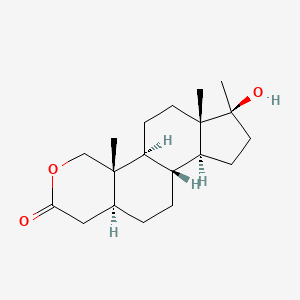
Oxandrolone
An oral anabolic steroid with disease-specific research and an important US regulatory withdrawal.
Human research / important limitations
Also known as: Anavar · Oxandrin
Practical use
Applying the explained evidence
- Where it fits
- An oral anabolic steroid with disease-specific research and an important US regulatory withdrawal.
- Put the information into practice
- Disease severity, co-treatments and clinician selection can influence retrospective comparisons. Older approval language or a brand-name listing should not be treated as proof of current regulatory status or a safe nonmedical use.
- Formulation and purpose
- Write down the exact compound and formulation behind a claim. Compare the studied population and purpose with the situation being discussed; evidence for medical replacement does not automatically answer a physique-enhancement question.
- Keep this limit in view
- Retrospective single-center preliminary analysis, with small unequal groups. It cannot reliably compare overall safety or extrapolate to healthy users.
Overview
Oxandrolone has been studied to counter severe catabolic states, including major burns. This is a different setting from healthy-person enhancement. In 2023, FDA determined that Oxandrin tablets were withdrawn for safety or effectiveness reasons.
Risks and limitations
Liver-enzyme elevations are a relevant concern. A burn-center study found elevations in 38% of oxandrolone patients versus 28% of testosterone patients, but the difference was not statistically significant. That result does not prove equal safety.
How to read this
Disease severity, co-treatments and clinician selection can influence retrospective comparisons. Older approval language or a brand-name listing should not be treated as proof of current regulatory status or a safe nonmedical use.
Research explained
Liver-enzyme changes after major burns
Who was studied
70 adults with burns affecting at least 20% of body surface; 52 received oxandrolone and 18 testosterone.
- Oxandrolone: enzyme elevation
- 38 %
- Testosterone: enzyme elevation
- 28 %
What was found
Liver-enzyme elevation rates were not statistically different. Early discontinuation was reported in 33% of the oxandrolone group and none of the testosterone group.
What it cannot establish
Retrospective single-center preliminary analysis, with small unequal groups. It cannot reliably compare overall safety or extrapolate to healthy users.
Read the original studyNot statistically significant does not mean equal
The enzyme-elevation comparison was 38% versus 28%, with P=.596. This small retrospective analysis did not demonstrate a statistically reliable difference; it also did not prove equivalence. Unequal groups, co-treatments and clinical selection leave uncertainty. Early discontinuation differed, which is a separate endpoint.
Supporting sourceApproval history and current claims
FDA’s 2023 withdrawal determination matters when reading older descriptions that call Oxandrin an approved drug. Historical clinical use does not settle current approval or validate a product sold under the same familiar name. The linked determination provides the original regulatory record.
Supporting sourceLearn with Avery
Sources
Liver-enzyme changes after major burns
Sources checked 2026-09-28.
General education; not a personal treatment plan.