

Nootropics
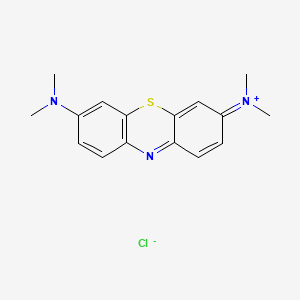
Methylene blue
A medicine for a specific blood disorder whose small memory experiments do not establish a general longevity or nootropic benefit.
Established specific medical use; small exploratory cognition trials
Also known as: methylthioninium chloride
Practical use
Reviewed practical notes
- Prioritize interaction checks
- Serotonergic medicines, opioids and G6PD status are material to medical assessment.
- Keep the endpoint modest
- A short task result is not evidence for improved longevity or general intelligence.
- Ask what was learned
- A stronger learning signal is only useful if the learned information or response is useful.
2016 memory and MRI experiment
Overview
The cited US PROVAYBLUE label covers intravenous methylene blue for acquired methemoglobinemia. That approved formulation and purpose are distinct from oral products promoted for energy or cognition. A laboratory brain-imaging result does not expand the approved indication.
Risks and limitations
The label carries a boxed warning for potentially serious or fatal serotonin syndrome with serotonergic drugs and opioids. G6PD deficiency is a contraindication because of hemolytic-anemia risk. These pharmacological concerns cannot be dismissed by calling a product a mitochondrial supplement.
How to read this
A claim about better cellular energy needs a measured human benefit. Verify the formulation, route and interaction context before treating an experiment as a practical recommendation.
Research explained
Single-exposure memory and imaging experiment
Who was studied
26 healthy adults aged 22–62 randomized to oral methylene blue or placebo; memory tasks and functional MRI before and after exposure.
What was found
The investigators observed altered task-related brain activation and improvement on a memory-retrieval measure.
What it cannot establish
Very small, short experiment. It does not establish higher intelligence, durable everyday benefit, improved training recovery or slower aging.
Read the original studyFear learning after exposure training
Who was studied
42 people with marked claustrophobic fear randomized after exposure training; follow-up included one month.
What was found
Outcomes depended on the fear remaining after training: findings favored methylene blue when end-session fear was low, while the direction tended to be worse when fear remained higher.
What it cannot establish
A small specialized experiment, not a general cognition trial. It illustrates that enhancing a learning process need not always produce a desirable result.
Read the original studyA medicine’s identity does not validate every preparation
The prescribing information concerns a defined injectable product used for a diagnosed disorder. It cannot establish the quality, equivalence or effectiveness of other products sold under the same chemical name.
Supporting sourceSources
2016 memory and MRI experiment
Current PROVAYBLUE prescribing information
2014 exposure-learning experiment
Sources checked 2026-10-01.
General education; not a personal treatment plan.