

Androgens
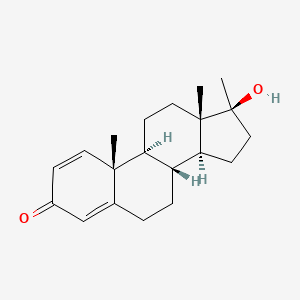
Metandienone
An oral anabolic androgen with small historical training studies, conflicting performance results and documented adverse effects.
Human evidence / important limitations
Also known as: methandienone · methandrostenolone · Dianabol
Practical use
Applying the explained evidence
- Where it fits
- An oral anabolic androgen with small historical training studies, conflicting performance results and documented adverse effects.
- Put the information into practice
- Two small crossover experiments did not agree on strength benefit. That disagreement belongs in the article alongside the positive body-composition findings.
- Formulation and purpose
- Write down the exact compound and formulation behind a claim. Compare the studied population and purpose with the situation being discussed; evidence for medical replacement does not automatically answer a physique-enhancement question.
- Keep this limit in view
- The investigators considered intracellular-fluid expansion as an alternative explanation for part of the weight change. Lean weight is not a direct measurement of newly synthesized muscle.
Overview
Metandienone and methandienone are alternative names used in the literature. The classic experiments examined short-term training and body composition, not long-term cardiovascular safety.
Risks and limitations
The 1975 trial reported a rise in systolic blood pressure and adverse effects that caused three participants to withdraw. The 1976 trial found reduced plasma testosterone. Early weight gain should not be interpreted as harm-free muscle growth.
How to read this
Two small crossover experiments did not agree on strength benefit. That disagreement belongs in the article alongside the positive body-composition findings.
Research explained
Six-week athletic-training experiment
Who was studied
11 athletic men in a double-blind crossover experiment with weight training.
What was found
Weight increased by an average 3.3 kg more during the active period, with muscle-size and lean-compartment changes. Strength and performance improved during both periods but did not significantly differ between drug and placebo. Testosterone declined.
What it cannot establish
The investigators considered intracellular-fluid expansion as an alternative explanation for part of the weight change. Lean weight is not a direct measurement of newly synthesized muscle.
Read the original studyEarlier weightlifter trial
Who was studied
13 experienced male weightlifters; double-blind crossover study with exercise and high-protein diets.
What was found
Performance improved more during active treatment than placebo. Weight and systolic blood pressure rose. Three men withdrew because of adverse effects.
What it cannot establish
A very small historical trial cannot estimate modern real-world adverse-event rates, especially with multiple simultaneous drugs.
Read the original studyWhy the two trials can disagree
Small crossover studies are sensitive to training effects, period effects and differences in participants and exposure. The 1976 experiment directly reported no significant drug-placebo strength difference despite weight gain. It should not be rewritten as a guaranteed kilogram or strength prediction.
Supporting sourceSources
Six-week athletic-training experiment
Sources checked 2026-09-28.
General education; not a personal treatment plan.