

Metabolic medicines
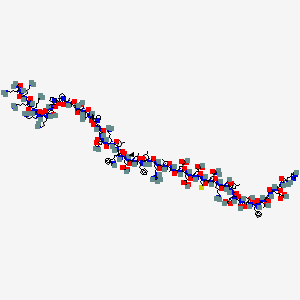
Lixisenatide
A GLP-1 medicine for type 2 diabetes whose large cardiovascular trial demonstrated noninferiority without superiority.
Large randomized cardiovascular trial; no demonstrated event reduction
Also known as: Adlyxin · Lyxumia
Practical use
Clinical context and evidence interpretation
- List the intended outcomes
- Write glucose control, weight change and cardiovascular risk as separate questions.
- Check the comparator
- Look for placebo, usual care or another active drug; a before–after improvement alone is a different comparison.
- Prepare the medication review
- Bring glucose trends, gastrointestinal symptoms, kidney history and the complete medicine list, including any combination pen.
ELIXA cardiovascular outcome trial
Overview
Lixisenatide activates GLP-1 receptors, supports glucose-dependent insulin secretion and slows stomach emptying. The US Adlyxin label covers glycemic control in adults with type 2 diabetes. Lixisenatide also appears in a separate combination with insulin glargine; that product is not interchangeable with single-ingredient trial evidence.
Risks and limitations
Warnings include pancreatitis, severe gastrointestinal reactions, dehydration-related kidney injury, gallbladder disease and serious allergy. Insulin or insulin-secretagogue combinations can increase hypoglycemia risk. Persistent severe abdominal pain needs prompt assessment. Planned anesthesia or deep sedation should be disclosed because delayed stomach emptying can affect aspiration risk.
How to read this
GLP-1 is a drug class, not a guarantee of identical cardiovascular results. Evaluate the named molecule, the population and the prespecified clinical endpoint.
Research explained
ELIXA cardiovascular outcome trial
Who was studied
6,068 adults with type 2 diabetes and a recent heart attack or unstable-angina hospitalization, randomized to lixisenatide or placebo alongside usual care; median follow-up 25 months.
- Lixisenatide: composite event
- 13.4 percent
- Placebo: composite event
- 13.2 percent
What was found
The composite of cardiovascular death, heart attack, stroke or hospitalization for unstable angina occurred in 13.4% versus 13.2%. The hazard ratio was 1.02 (95% CI 0.89–1.17). Noninferiority was met; superiority was not (P=.81).
What it cannot establish
This was a high-risk population with recent coronary disease. Meeting a safety margin does not prove cardiovascular protection or equivalence for every outcome. It does not answer healthy-user fat-loss or muscle-preservation questions.
Read the original studyWhy a neutral cardiovascular result still matters
ELIXA addressed excess cardiovascular risk against a predefined margin. The result helps define the evidence for this medicine without converting a nonsignificant result into a benefit claim.
Supporting sourceGlucose response is a separate outcome
HbA1c improvement, body-weight change and major cardiovascular events should be compared separately. A source discussing one endpoint does not automatically settle the other two.
Supporting sourceClaims versus findings
Incorrect
Every GLP-1 medicine has proven cardiovascular-event reduction.
ELIXA did not demonstrate superiority for lixisenatide. Evidence from another GLP-1 medicine cannot simply be assigned to this one.
Check the evidenceCommon questions
Does the combination product prove the same effect as lixisenatide alone?
No. Insulin glargine adds another active treatment and changes the clinical and hypoglycemia context.
SourceSources
ELIXA cardiovascular outcome trial
US prescribing information; checked October 1, 2026
Sources checked 2026-10-01.
General education; not a personal treatment plan.