

Peptides
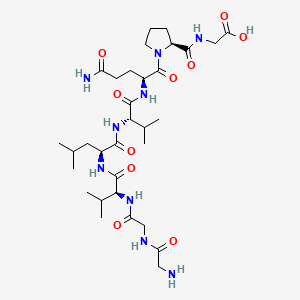
Larazotide
A tight-junction research peptide with mixed celiac-disease symptom evidence; it has not been shown to replace a gluten-free diet.
Randomized celiac trials with mixed endpoints; phase 3 terminated
Also known as: Larazotide acetate · AT-1001
Practical use
Evidence interpretation and clinical context
- Name the condition
- Keep celiac disease distinct from a vague gut-permeability diagnosis.
- Separate symptoms from disease injury
- A claim should state whether it measured symptoms, antibodies, permeability or intestinal damage.
- Check the trial’s diet
- A benefit observed alongside a gluten-free diet cannot justify removing that treatment.
Overview
Larazotide acetate was developed to influence intestinal tight-junction regulation. Clinical trials focused on celiac disease, an autoimmune response to gluten. That is a more specific question than broad claims about repairing a “leaky gut” in anyone with digestive symptoms.
Risks and limitations
Short trial adverse-event rates were similar to placebo, but this does not establish long-term safety or safety of unverified products. Symptom relief would not automatically mean that intestinal injury or gluten-related immune activity had resolved.
How to read this
Persistent gastrointestinal symptoms have many causes. A mechanism involving intestinal permeability should not be used as a diagnosis or as proof that deliberately eating gluten is safe in celiac disease.
Research explained
Larazotide acetate for persistent symptoms of celiac disease despite a gluten-free diet: a randomized controlled trial.
Who was studied
342 adults with persistent celiac symptoms despite a gluten-free diet in a randomized trial with a 12-week treatment period.
What was found
One of three studied treatment groups improved the primary symptom score. The other two did not differ from placebo. Participants continued their gluten-free diet.
What it cannot establish
The mixed exposure response and exploratory symptom analyses need confirmation. This was an add-on trial, not a test of replacing dietary treatment.
Read the original studyLarazotide acetate in patients with coeliac disease undergoing a gluten challenge: a randomised placebo-controlled study.
Who was studied
184 adults with celiac disease in a six-week randomized gluten-challenge experiment.
What was found
Some symptom and antibody outcomes favored larazotide, but the experimental lactulose-to-mannitol permeability measure did not significantly differ from placebo.
What it cannot establish
A positive symptom result does not prove the proposed permeability mechanism was confirmed by the study’s measurement.
Read the original studyDevelopment status
The registered phase 3 celiac trial NCT03569007 is listed as terminated by the sponsor. The cited record does not establish a completed successful registration trial or an approved celiac treatment.
Supporting sourceKeep mechanism and outcome apart
A treatment can produce an apparent symptom signal even when an experimental permeability endpoint does not change. Both findings belong in the explanation.
Supporting sourceClaims versus findings
Not established
Larazotide lets people with celiac disease eat gluten freely.
The persistent-symptom trial maintained a gluten-free diet, and challenge studies were controlled research.
Check the evidenceCommon questions
Do similar short-term adverse-event rates prove long-term safety?
No. Duration, sample size and the exact manufactured product limit what those comparisons can establish.
SourceSources
Development status — primary or official source
Sources checked 2026-10-01.
General education; not a personal treatment plan.