

Androgens
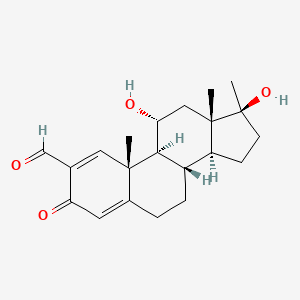
Formebolone
A historical anabolic steroid with small biochemical studies that do not establish modern functional or growth benefits.
Very small historical clinical studies; evidence checked 2026-10-01
Practical use
Evidence interpretation and concrete review questions
- Name the measured protein
- Keep albumin distinct from skeletal muscle.
- Check the follow-up endpoint
- For growth claims, ask whether final height was actually measured.
- Preserve the clinical diagnosis
- Kidney disease and growth delay are separate research settings.
Protein labeling in kidney disease
Overview
Formebolone was examined in patients with kidney disease and in children with growth delay. These reports used different populations and endpoints; a protein-synthesis signal is not equivalent to improved strength, kidney health or final adult height.
Risks and limitations
The tiny kidney study cannot characterize safety. In growth research, accelerated bone maturation is a relevant tradeoff; a short-term height increase alone cannot settle final-height outcomes.
How to read this
Older primary studies can explain why a compound attracted interest while leaving its clinical value unresolved.
Research explained
Protein labeling in kidney disease
Who was studied
Seven patients with nephrosis or renal insufficiency; labeled leucine incorporation into plasma proteins was measured.
What was found
Incorporation into the albumin fraction increased after formebolone administration.
What it cannot establish
A biochemical proxy in seven patients, without a clinical outcome comparison described in the abstract; it does not demonstrate muscle gain or better kidney outcomes.
Read the original studyHistorical growth-delay report
Who was studied
Twenty children with nonpituitary growth delay and normal growth-hormone stimulation testing.
What was found
The report described height increases, particularly around puberty, alongside accelerated bone age.
What it cannot establish
The abstract is insufficient to independently establish final adult-height benefit or a modern comparative safety assessment.
Read the original studyAlbumin synthesis is not a muscle measurement
Tracer incorporation into a plasma protein cannot be relabeled as kilograms of new muscle.
Supporting sourceGrowth has more than one clock
Chronological age, height velocity and bone age measure different aspects of development.
Supporting sourceClaims versus findings
Not established
An albumin-labeling increase proves improved physical function.
The experiment measured protein labeling, not functional capacity.
Check the evidenceCommon questions
Can the childhood report justify treating ordinary short stature?
No. Its limited historical findings cannot supply an individual diagnosis or current care decision.
SourceSources
Protein labeling in kidney disease
Historical growth-delay report
PubChem chemical identity; checked October 1, 2026
Sources checked 2026-10-01.
General education; not a personal treatment plan.