

Hair and skin
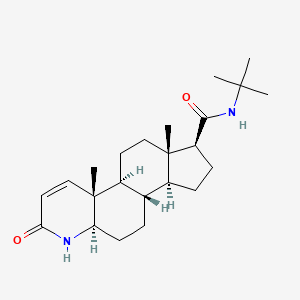
Finasteride
A 5-alpha-reductase inhibitor used for male-pattern hair loss and prostate enlargement.
Established medical uses
Also known as: Propecia · Proscar
Practical use
Applying the explained evidence
- Where it fits
- A 5-alpha-reductase inhibitor used for male-pattern hair loss and prostate enlargement.
- Put the information into practice
- Treating scalp hair loss does not mean every androgen-related effect elsewhere is prevented. Disclose finasteride when laboratory tests are interpreted. Pregnant people should not handle crushed or broken tablets.
- Define the change you want to assess
- Record the specific concern and its time course. When evaluating a claim, look for a matching diagnosis, a defined measurement and an appropriate comparison rather than relying on a before-and-after photograph alone.
- Keep this limit in view
- The evidence concerns a particular enzyme, medicine and indication. It is not a trial of protection against all androgen exposures or combinations.
Overview
Finasteride alters androgen metabolism through 5-alpha-reductase inhibition. It is used for male-pattern hair loss and benign prostate enlargement. Hair changes take time, and benefits generally depend on continued treatment.
Risks and limitations
Sexual-function changes, ejaculation problems and reduced fertility are possible, including reports after stopping. New or worsening depression requires attention; suicidal thoughts require immediate support. Breast changes and allergic reactions should be evaluated.
How to read this
Treating scalp hair loss does not mean every androgen-related effect elsewhere is prevented. Disclose finasteride when laboratory tests are interpreted. Pregnant people should not handle crushed or broken tablets.
Research explained
Hair-count outcomes in male pattern hair loss
Who was studied
Two one-year trials enrolled 1,553 men aged 18–41; 1,215 continued into a blinded second-year extension. Finasteride was compared with placebo.
- One year: difference vs placebo
- 107 hairs / 5.1 cm²
- Two years: difference vs placebo
- 138 hairs / 5.1 cm²
What was found
Between-group hair-count differences were 107 hairs at one year and 138 at two years within a 5.1 cm² vertex measurement area (P<0.001).
What it cannot establish
These are differences from placebo in a sampled scalp area, not 107 or 138 hairs gained over the whole head. The extension population and follow-up differ from the initial trial. Results do not cover every cause or pattern of hair loss.
Read the original studyMechanism and timing
Finasteride inhibits type II 5-alpha-reductase, reducing conversion of testosterone to DHT. The label reports a terminal half-life of approximately 5–6 hours in men aged 18–60 and about 8 hours over age 70. Hair response occurs on a much longer timescale than plasma clearance.
Supporting sourceSexual adverse effects: preserve the comparator
In the label’s first-year hair-loss trials, decreased libido was reported in 1.8% versus 1.3%, erectile dysfunction in 1.3% versus 0.7%, and ejaculation disorder in 1.2% versus 0.7% (945 finasteride and 934 placebo recipients). These categories can overlap and must not be added into a single event rate. Trial averages cannot determine an individual’s experience.
Supporting sourceClaims versus findings
Not established
Blocking DHT protects against every androgen-related effect.
The evidence concerns a particular enzyme, medicine and indication. It is not a trial of protection against all androgen exposures or combinations.
Check the evidenceSources
Hair-count outcomes in male pattern hair loss
Sources checked 2026-09-28.
General education; not a personal treatment plan.