

Metabolic medicines
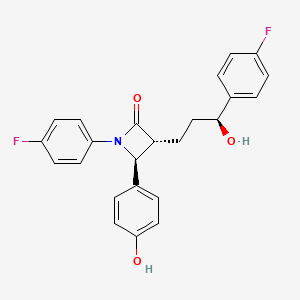
Ezetimibe
An intestinal cholesterol-absorption inhibitor with cardiovascular-outcome evidence when added to statin treatment after acute coronary syndrome.
Human trials / population-specific evidence
Also known as: Zetia · Ezetrol
Practical use
Applying the explained evidence
- Where it fits
- An intestinal cholesterol-absorption inhibitor with cardiovascular-outcome evidence when added to statin treatment after acute coronary syndrome.
- Put the information into practice
- Absolute and relative effects answer different questions. A two-percentage-point event difference is not a two-percent LDL change and does not predict one individual’s outcome.
- The outcome being treated
- Identify whether the evidence concerns a diagnosed condition, body weight, appetite or a laboratory marker. Check which outcomes were measured and over what follow-up before transferring a finding to another goal.
- Keep this limit in view
- This was add-on treatment after coronary illness, not an experiment in otherwise healthy athletes. The composite combines different clinical events.
Overview
Ezetimibe acts at the intestinal NPC1L1 sterol transporter. It is pharmacologically distinct from a statin, even though the two may be studied together.
Risks and limitations
An outcome benefit in coronary patients is not evidence that the medicine cancels cardiovascular risks from androgen exposure. Interaction review matters, particularly with cyclosporine and bile-acid sequestrants.
How to read this
Absolute and relative effects answer different questions. A two-percentage-point event difference is not a two-percent LDL change and does not predict one individual’s outcome.
Research explained
IMPROVE-IT cardiovascular outcomes
Who was studied
18,144 patients enrolled within ten days of an acute coronary syndrome; simvastatin plus ezetimibe compared with simvastatin alone, median follow-up six years.
What was found
Time-weighted LDL averaged 53.7 versus 69.5 mg/dL. The seven-year primary cardiovascular composite was 32.7% versus 34.7%, an absolute difference of 2.0 percentage points; hazard ratio 0.936, 95% interval 0.89–0.99, P=0.016. Prespecified muscle, gallbladder, hepatic and cancer outcomes were similar.
What it cannot establish
This was add-on treatment after coronary illness, not an experiment in otherwise healthy athletes. The composite combines different clinical events.
Read the original studyPharmacokinetics
An active glucuronide metabolite accounts for most circulating drug-related material. Parent drug and metabolite have approximate 22-hour half-lives, with enterohepatic recycling. These properties explain exposure; they do not supply a personal treatment plan.
Supporting sourceInteractions
Cyclosporine can increase exposure to ezetimibe, and ezetimibe can affect cyclosporine exposure. Bile-acid sequestrants can reduce ezetimibe availability. These are reasons to review the full medication list rather than interpreting cholesterol medicines as interchangeable.
Supporting sourceSources
IMPROVE-IT cardiovascular outcomes
Sources checked 2026-09-28.
General education; not a personal treatment plan.