

Metabolic medicines
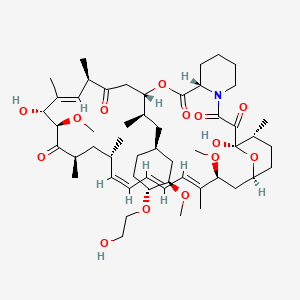
Everolimus
An mTOR inhibitor with clinical uses and human immune-aging experiments; vaccine-response findings do not establish general rejuvenation.
Human trials / population-specific evidence
Also known as: RAD001 · Afinitor
Practical use
Applying the explained evidence
- Where it fits
- An mTOR inhibitor with clinical uses and human immune-aging experiments; vaccine-response findings do not establish general rejuvenation.
- Put the information into practice
- An improved immune response to one vaccine is a narrower finding than fewer severe infections, improved everyday performance or longer life.
- The outcome being treated
- Identify whether the evidence concerns a diagnosed condition, body weight, appetite or a laboratory marker. Check which outcomes were measured and over what follow-up before transferring a finding to another goal.
- Keep this limit in view
- The immune measurements are not a 20% reduction in infection risk and are not evidence of lifespan extension.
Overview
Everolimus is a prescription mTOR inhibitor. Different diseases and formulations involve different benefit-risk questions; experimental immune-aging research does not make it a general wellness supplement.
Risks and limitations
Product information describes mouth inflammation, infection, rash, fatigue and noninfectious pneumonitis among important concerns. New cough, breathlessness, fever or substantial mouth sores require assessment. Strong CYP3A4 or P-glycoprotein interactions can change exposure.
How to read this
An improved immune response to one vaccine is a narrower finding than fewer severe infections, improved everyday performance or longer life.
Research explained
Older-adult vaccine-response experiment
Who was studied
Randomized study in older adults, published in 2014, examining mTOR inhibition before influenza vaccination.
What was found
RAD001 improved the measured influenza-vaccine response by approximately 20% and reduced the proportion of T cells expressing PD-1.
What it cannot establish
The immune measurements are not a 20% reduction in infection risk and are not evidence of lifespan extension.
Read the original studyCombined TORC1-inhibition trial
Who was studied
264 older adults; six weeks of treatment with a combination including BEZ235 and RAD001, with infection follow-up over one year.
What was found
The combination was associated with fewer reported infections than placebo (P=0.001), improved vaccine responses and changes in antiviral gene expression.
What it cannot establish
Two compounds were used together. The finding cannot be assigned to everolimus alone, and reported infection counts are distinct from severe-infection mortality.
Read the original studyExposure and formulation
The prescribing information reports an approximately 30-hour elimination half-life and identifies CYP3A4 metabolism. Half-life is not the duration of immune effects. Oncology, transplantation and experimental aging studies should not be merged into a single assumed safety profile.
Supporting sourceSources
Older-adult vaccine-response experiment
Combined TORC1-inhibition trial
Sources checked 2026-09-28.
General education; not a personal treatment plan.