

Metabolic medicines
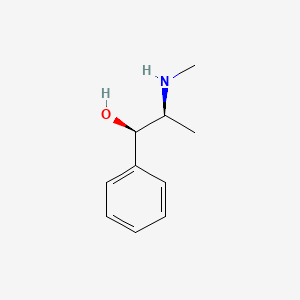
Ephedrine
A sympathomimetic medicine; the history of ephedra weight-loss products does not establish a safe supplement use.
Specific medical indication; historical combination weight trial
Practical use
Reviewed practical notes
- Identify every ingredient
- A combination trial cannot assign its benefit or harm to a single component.
- Distinguish the product type
- A clinical injectable medicine and an herbal supplement are not interchangeable.
- Consider interactions
- Adrenergic effects can interact with other medicines; a supplement label does not remove that issue.
2002 randomized combination trial
Overview
Ephedrine stimulates adrenergic signaling and releases norepinephrine. The cited US prescription label covers clinically important low blood pressure during anesthesia. That monitored medical role is different from taking a stimulant product for fat loss.
Risks and limitations
The prescription label identifies rapid heart rate and clinically important medicine interactions. In the historical supplement trial, heart rate, dry mouth and insomnia increased. Failure to observe rare catastrophic events in a modest trial cannot exclude them.
How to read this
FDA banned dietary supplements containing ephedrine alkaloids in 2004 because of unreasonable risk. That US supplement action should not be misstated as a ban on every legitimate ephedrine medicine in every setting.
Research explained
Historical ephedra-plus-caffeine trial
Who was studied
167 adults randomized to an herbal combination or placebo for six months.
What was found
The combination produced greater weight reduction but also increased heart rate and some symptoms, including insomnia.
What it cannot establish
This tested ephedra alkaloids together with caffeine, not isolated ephedrine. The sample and duration cannot settle rare-event safety, and the study predates the FDA supplement ban.
Read the original studyThe indication is part of the evidence
AKOVAZ is an ephedrine sulfate injection labeled for anesthesia-related hypotension and administration by trained health professionals. Its approval does not validate an oral weight-loss product or a self-directed stimulant combination.
Supporting sourceA supplement ban and a prescription indication can coexist
FDA’s ephedrine-alkaloid action addresses dietary supplements. Always retain the product type and jurisdiction when describing a substance’s regulatory status.
Supporting sourceSources
2002 randomized combination trial
AKOVAZ prescribing information
FDA ingredient and regulatory directory
Sources checked 2026-10-01.
General education; not a personal treatment plan.