

Metabolic medicines
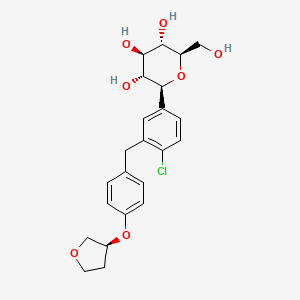
Empagliflozin
An SGLT2 inhibitor with cardiovascular-outcome evidence in selected patients with type 2 diabetes; urinary glucose loss is not risk-free weight management.
Human trials / population-specific evidence
Also known as: Jardiance
Practical use
Applying the explained evidence
- Where it fits
- An SGLT2 inhibitor with cardiovascular-outcome evidence in selected patients with type 2 diabetes; urinary glucose loss is not risk-free weight management.
- Put the information into practice
- Trial event rates apply to people meeting the study criteria. They do not establish a benefit for healthy physique athletes or justify self-prescribing during a cut.
- The outcome being treated
- Identify whether the evidence concerns a diagnosed condition, body weight, appetite or a laboratory marker. Check which outcomes were measured and over what follow-up before transferring a finding to another goal.
- Keep this limit in view
- The composite was cardiovascular death, nonfatal heart attack or nonfatal stroke. This evidence concerns high-risk diabetes, not a general longevity or fat-loss claim.
Overview
Empagliflozin reduces renal glucose reabsorption through SGLT2 inhibition. A medicine that changes glucose handling can have clinical effects beyond a glucose reading, but benefits depend on the population studied.
Risks and limitations
Ketoacidosis can occur even when glucose is below 250 mg/dL. Nausea, vomiting, abdominal pain, marked fatigue or labored breathing require urgent assessment. Dehydration and genital infections are relevant risks; illness, reduced intake, ketogenic diets and alcohol can raise concern.
How to read this
Trial event rates apply to people meeting the study criteria. They do not establish a benefit for healthy physique athletes or justify self-prescribing during a cut.
Research explained
EMPA-REG OUTCOME
Who was studied
7,020 treated patients with type 2 diabetes and high cardiovascular risk; median observation 3.1 years.
What was found
The primary cardiovascular composite occurred in 10.5% versus 12.1% with placebo: hazard ratio 0.86, 95.02% interval 0.74–0.99, P=0.04. Cardiovascular death was 3.7% versus 5.9%; heart-failure hospitalization 2.7% versus 4.1%. Individual heart-attack and stroke results were not significantly different. Genital infections increased.
What it cannot establish
The composite was cardiovascular death, nonfatal heart attack or nonfatal stroke. This evidence concerns high-risk diabetes, not a general longevity or fat-loss claim.
Read the original studyExposure and precautions
Population pharmacokinetic analysis estimated a terminal half-life of 12.4 hours. The label also warns about volume depletion and hypoglycemia with insulin or insulin-secretagogue treatment. Plasma elimination does not guarantee that glucose loss or ketoacidosis risk ends at the same time.
Supporting sourceSources
Sources checked 2026-09-28.
General education; not a personal treatment plan.