

Metabolic medicines
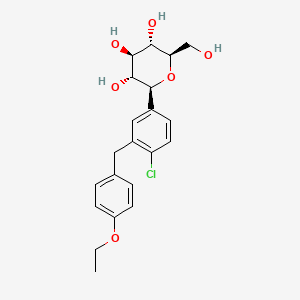
Dapagliflozin
An SGLT2 inhibitor with kidney-outcome evidence in selected chronic kidney disease, including people without diabetes.
Human trials / population-specific evidence
Also known as: Farxiga · Forxiga
Practical use
Applying the explained evidence
- Where it fits
- An SGLT2 inhibitor with kidney-outcome evidence in selected chronic kidney disease, including people without diabetes.
- Put the information into practice
- An initial eGFR change, long-term kidney preservation and dehydration are different phenomena. Interpreting one blood result requires clinical context.
- The outcome being treated
- Identify whether the evidence concerns a diagnosed condition, body weight, appetite or a laboratory marker. Check which outcomes were measured and over what follow-up before transferring a finding to another goal.
- Keep this limit in view
- This is strong evidence in selected CKD, not a guarantee against kidney injury in a person without those characteristics.
Overview
Dapagliflozin reduces kidney glucose reabsorption through SGLT2 inhibition. Its renal evidence concerns defined clinical populations rather than universal kidney protection.
Risks and limitations
Important risks include ketoacidosis and volume depletion. Illness, insufficient food intake, ketogenic diets, surgery and alcohol can contribute to ketoacidosis risk. Abdominal pain, vomiting, unusual fatigue or labored breathing require prompt assessment even without a very high glucose reading.
How to read this
An initial eGFR change, long-term kidney preservation and dehydration are different phenomena. Interpreting one blood result requires clinical context.
Research explained
DAPA-CKD
Who was studied
4,304 participants with chronic kidney disease, eGFR 25–75 and urinary albumin-to-creatinine ratio 200–5,000 mg/g, with or without type 2 diabetes; median follow-up 2.4 years.
What was found
The primary composite occurred in 9.2% versus 14.5% with placebo: hazard ratio 0.61, 95% interval 0.51–0.72. The reported number needed to treat was 19, interval 15–27. The composite included sustained major eGFR decline, end-stage kidney disease, or renal/cardiovascular death.
What it cannot establish
This is strong evidence in selected CKD, not a guarantee against kidney injury in a person without those characteristics.
Read the original studyDERIVE renal-impairment trial
Who was studied
321 people with type 2 diabetes and stage 3A chronic kidney disease; 24-week placebo-controlled trial.
What was found
Placebo-adjusted HbA1c fell by 0.34 percentage points and weight by 1.25 kg. An early eGFR reduction returned toward baseline after the three-week post-treatment follow-up.
What it cannot establish
A short-term filtration change should not be conflated with permanent structural injury or assumed harmless without context.
Read the original studyPharmacokinetics
The label reports a mean terminal half-life near 12.9 hours. Urinary glucose effects may persist after stopping; prolonged glucosuria and ketoacidosis have been reported. A plasma half-life alone cannot determine when all relevant effects have ended.
Supporting sourceSources
Sources checked 2026-09-28.
General education; not a personal treatment plan.