

Performance supplements
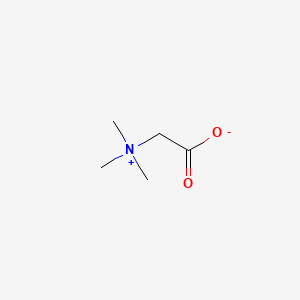
Betaine
Some training studies suggest body-composition changes, but maximal-strength findings are weaker and lipid effects deserve attention.
Small randomized training trials plus lipid experiments
Practical use
Applying the explained evidence
- Where it fits
- Some training studies suggest body-composition changes, but maximal-strength findings are weaker and lipid effects deserve attention.
- Put the information into practice
- The useful question is whether adding betaine improves outcomes beyond the same training program. Improvements shared by both groups should not be credited to the supplement.
- Connect evidence to your training
- Specify the outcome you want to improve and a repeatable way to measure it. Check whether the study participants, activity and product match the claim; avoid crediting one supplement for changes made alongside several training or diet changes.
- Keep this limit in view
- The female trial did not find a significant treatment interaction for maximum strength.
Overview
Betaine, or trimethylglycine, participates in methyl-group metabolism. Changes in homocysteine-related markers, body composition and cardiovascular risk are not interchangeable outcomes.
Risks and limitations
Randomized supplementation studies have reported higher LDL cholesterol and triglycerides. A favorable homocysteine result therefore does not establish net cardiovascular benefit. The size of the effect depends on the tested exposure and population.
How to read this
The useful question is whether adding betaine improves outcomes beyond the same training program. Improvements shared by both groups should not be credited to the supplement.
Research explained
Trained men
Who was studied
23 men, 11 active and 12 placebo; six-week periodized resistance training.
What was found
Bench-press work capacity improved in selected training blocks and body-composition estimates favored betaine. No significant between-group advantage in bench or squat maximum strength was found.
What it cannot establish
Skinfold/girth estimates are not direct muscle imaging; small sample, several outcomes and short duration.
Read the original studyUntrained women
Who was studied
23 collegiate women; eight weeks of resistance training.
- Fat-mass reduction: betaine
- 2 kg
- Fat-mass reduction: placebo
- 0.8 kg
What was found
Fat mass fell 2.0 kg with betaine versus 0.8 kg with placebo. Strength, lean mass and muscle-thickness improvements did not significantly differ between groups.
What it cannot establish
Beginners improved substantially with training; the fat-mass result is not evidence of extra muscle gain in experienced men.
Read the original studyLipid tradeoff
Who was studied
Pooled data from randomized nutrient experiments; 151 participants contributed to three betaine studies.
What was found
A six-week higher-exposure condition increased LDL by 0.36 mmol/L versus placebo, with 95% CI 0.25–0.46. Triglycerides also increased.
What it cannot establish
Different exposures from the training trials; these are biomarkers, not observed heart-attack rates.
Read the original studyWork capacity is not maximal strength
More completed training volume in selected blocks can coexist with no clear extra one-repetition maximum gain.
Supporting sourceTraining explains shared gains
Both female groups gained strength and lean mass. Only the between-group contrast isolates the added intervention.
Supporting sourceOne favorable marker is insufficient
Lower homocysteine-related measures cannot erase a less favorable lipid response or establish fewer clinical events.
Supporting sourceMeasurement influences interpretation
The male study estimated body composition with skinfolds; the female study used different tools. Their kilogram estimates are not identical measurements.
Supporting sourceWhat is not established
No cited trial quantifies cardiovascular protection or a predictable gain for an individual enhanced athlete.
Supporting sourceClaims versus findings
Not established
Betaine reliably adds strength above training.
The female trial did not find a significant treatment interaction for maximum strength.
Check the evidenceCommon questions
Does lower homocysteine mean lower overall risk?
Not by itself; randomized lipid data show why other endpoints matter.
SourceSources
Eight-week untrained-women trial
Sources checked 2026-09-28.
General education; not a personal treatment plan.