

Hormone medicines
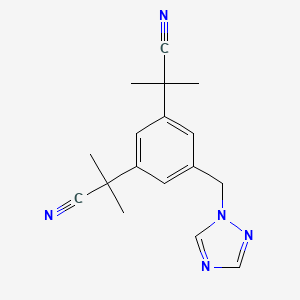
Anastrozole
An aromatase inhibitor that reduces estrogen production; lowering estrogen has tradeoffs.
Established medical uses
Also known as: Arimidex
Practical use
Applying the explained evidence
- Where it fits
- An aromatase inhibitor that reduces estrogen production; lowering estrogen has tradeoffs.
- Put the information into practice
- A cancer-treatment indication does not establish an appropriate response to symptoms during nonmedical hormone use. Symptoms alone cannot tell you whether estrogen is high or low. Its interaction profile differs from that of receptor-blocking drugs.
- Diagnosis before a number
- Write down the symptoms, the reason a test was ordered, and the medicines already used. An isolated hormone result is a question to interpret, not a stand-alone reason to add another medicine.
- Keep this limit in view
- The hormone increase did not translate into improved skeletal health. These are group averages in older men, not fracture incidence or a study of ancillary use during an androgen cycle.
Overview
Anastrozole blocks aromatase, the enzyme involved in estrogen production. Its established uses include treatment of certain breast cancers in postmenopausal women. This is different from blocking estrogen receptors in selected tissues.
Risks and limitations
Joint and muscle pain, hot flashes and sleep or mood changes may occur. Bone density can decline and fracture risk can increase. Existing high cholesterol, heart disease and osteoporosis are relevant. Chest pain, breathing difficulty or jaundice need prompt assessment.
How to read this
A cancer-treatment indication does not establish an appropriate response to symptoms during nonmedical hormone use. Symptoms alone cannot tell you whether estrogen is high or low. Its interaction profile differs from that of receptor-blocking drugs.
Research explained
Hormone changes and spine bone density
Who was studied
69 men aged at least 60 with borderline or low testosterone and symptoms; one-year randomized double-blind placebo-controlled trial.
What was found
Testosterone rose from 319 to 524 ng/dL at three months and measured 474 ng/dL at one year. Spine bone density fell from 1.121 to 1.102 g/cm² with anastrozole, while placebo rose from 1.180 to 1.189 g/cm²; between-group change P=.0014.
What it cannot establish
The hormone increase did not translate into improved skeletal health. These are group averages in older men, not fracture incidence or a study of ancillary use during an androgen cycle.
Read the original studyMore testosterone can coexist with a less favorable bone outcome
Aromatase inhibition changes both testosterone and estradiol. This trial illustrates why the testosterone value alone is an incomplete measure of success: bone density changed adversely despite higher testosterone. Bone-density measurements also differ from directly measured fracture risk.
Supporting sourceSources
Hormone changes and spine bone density
Sources checked 2026-09-28.
General education; not a personal treatment plan.