

SARMs
AC-262536
A preclinical partial androgen-receptor agonist; rat muscle findings and equine metabolism are not human efficacy trials.
Compound-specific research / important limitations
Also known as: AC-262,536 · AC262
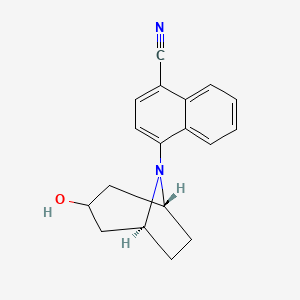
Practical use
Applying the explained evidence
- Where it fits
- A preclinical partial androgen-receptor agonist; rat muscle findings and equine metabolism are not human efficacy trials.
- Put the information into practice
- A paper can be technically strong while answering a narrow question. Doping-detection research tells us how a laboratory recognizes exposure, not whether that exposure improves performance.
- Check the exact molecule
- Keep the named molecule separate from a broad category claim. Check whether a finding comes from a human intervention, laboratory mechanism or analytical test before interpreting it as a performance benefit.
- Keep this limit in view
- The animal model lacks normal testicular androgen production. Organ-weight selectivity cannot be converted into a human side-effect percentage or an established muscle-to-risk ratio.
Overview
The defining pharmacology paper studied receptor activity in cells and androgen-responsive tissues in castrated male rats. The compound behaved as a partial androgen-receptor agonist in the assay.
Risks and limitations
Weak growth effects on rat prostate tissue do not establish low human cardiovascular, hepatic, endocrine or fertility risk. The two-week rat experiment also reported suppression of elevated LH; selective action does not mean absence of hormonal effects.
How to read this
A paper can be technically strong while answering a narrow question. Doping-detection research tells us how a laboratory recognizes exposure, not whether that exposure improves performance.
Research explained
Two-week preclinical pharmacology
Who was studied
Cell assays and a two-week study in castrated male rats.
What was found
Investigators observed levator-ani growth and suppression of elevated LH, with comparatively weak effects on prostate and seminal-vesicle weights.
What it cannot establish
The animal model lacks normal testicular androgen production. Organ-weight selectivity cannot be converted into a human side-effect percentage or an established muscle-to-risk ratio.
Read the original studyMetabolism and analytical detection
Who was studied
In-vitro preparations and two Thoroughbred horses after oral administration; urine, plasma and hair analysis.
What was found
Nine phase-I metabolites were found in vitro; four were later detected in urine and three in plasma. Parent compound was also detected in hair.
What it cannot establish
This is equine analytical research. It does not supply a human half-life, safe exposure, clinical benefit or reliable human detection window.
Read the original studyWhat partial agonist means here
A partial agonist produces less than the reference maximal receptor response under the tested assay conditions. The term does not promise a fixed fraction of testosterone’s effects in an intact person. Tissue environment and experimental endpoint affect the comparison.
Supporting sourceWhat the current evidence does not quantify
The cited papers do not establish a human muscle-gain estimate, adverse-event rate or pharmacokinetic profile. Those fields remain unknown in this article. Filling them with anecdotes or values borrowed from another SARM would create false precision.
Supporting sourceSources
Two-week preclinical pharmacology
Metabolism and analytical detection
Sources checked 2026-09-28.
General education; not a personal treatment plan.